

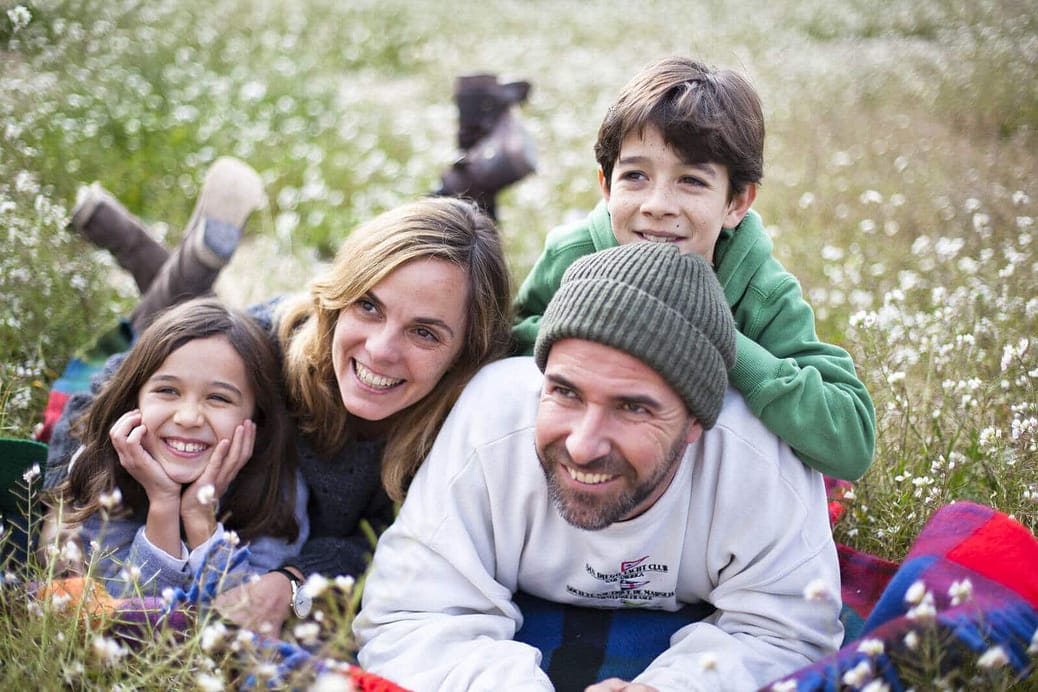
What is normal? We’d like to see normal as the sweet simple way that we’re taught through stories. That normal is a husband and wife who love each other, have two and a half children, a golden retriever and volunteer at the church on weekends. In fact our definition of normal doesn’t even begin to encompass the wonders of who we are as human beings. In trying to be “normal” we strive for bland sameness, hiding the uniqueness of who we are.
In Amy Bloom’s book entitled “Normal“, she explores the world of transsexuals, crossdressers and the intersexed. It is a must read for any crossdresser who wants to understand the world of the transgendered beyond the strict definitions imposed by Tri-ESS.
I was intrigued by the story of Lyle, a teenage transgender who started hormone treatment at the age of 14. With the blessing of his mother and father who sought doctor after doctor to understand what was causing Lyle to be so unhappy. Amy expresses support for hormone treatment for transgendered teenagers.
Amy does a good job expressing the differences between sexual orientation and gender identity. Though I found her treatment of “heterosexual crossdressers” overly harsh. Perhaps it is an expression of resentment I haven’t encountered, or perhaps it shows Amy’s bias against Tri-ESS, who have largely coopted a definition of crossdresser akin to the “normal heterosexual family man who goes to church, votes Republican and just happens to wear a dress for fun”.

“Heterosexual crossdresser bother almost everyone. Gay people regard them with disdain or affectionate incomprehension, something warmer than tolerance, but not much. Transsexuals regard them as men “settling” for crossdressing because they don’t have the courage to act on their transsexual longing, or else as closeted gay men so homophobic that they prefer wearing a dress to facing their desire for another man. Other straight men tend to find them funny or sad, and some find them enraging.”
Amy does a good job sharing the concerns of girlfriends and wives of crossdressers, and either accurately or callously observes how wives tolerate crossdressing even as the men get a childish thrill out of it.
I’ll share a few interesting nuggets from the book, though this article will hardly do it justice.
The ratio of men seeking to become woman and woman seeking to become men is almost the same – very different from previous statistics that suggest four men seek to become women for every woman who wants to become a man.
There are estimated to be about five thousand post operative transsexuals in the United States, though no formal statistics are kept.
I especially appreciated this quote, by a female to male transsexual. I think he expressed well the fears of transition, and a way to overcome them. “The transition was hard, but once I was completely male, people relaxed.”
The world of the intersexed was one I had not previously learnt about, and another good reason to read Normal by Amy Bloom.

More Articles by Vanessa Law
- 7 Essential Tips to Crossdressing
- Win a Free Makeup Prize Bundle from Jecca Blac
- A Few Changes in Our Family
- I Want to Live Like That
- Hope in Despair, Light through the Darkness

Vanessa Law
Latest posts by Vanessa Law (see all)
- 7 Essential Tips to Crossdressing - January 4, 2024
- Win a Free Makeup Prize Bundle from Jecca Blac - March 11, 2022
- A Few Changes in Our Family - April 15, 2021
- I Want to Live Like That - August 29, 2020
- Hope in Despair, Light through the Darkness - March 22, 2020

















































You’re right about harsh. 🙂 > men “settling" for crossdressing For some, perhaps that is true. But I don’t think it’s true for everyone. Yes, there’s a grain of truth to the old joke…. Q. What’s the difference between a transexual and a transvestite? A. About 2 years. … yet there are CD/TV people (pick your label) who don’t want to change sex. Personally, I’m quite happy to be a part-timer. It can be a bit of a juggling act with family, but then (and with luck), I get to have my cake and eat it. There’s comprimise, but isn’t… Read more »
Hehe, yes I think it’s true for many folks as crossdressing is part of the natural journey towards a full sex change. As you say though, this doesn’t apply to everyone. Give and take, yes – that’s a lot of what marriage is about. Give and take. Compromise. Coming to terms with the fact that the other person may have dreams, desires, heck, hobbies that are different from yours. And that’s okay. As men we sometimes forget the give part of the equation though. It’s easy to ask our wives to compromise for crossdressing, but harder to compromise ourselves for… Read more »
I have just found this site and love the dialogue, although I wish I could share it with those who believe that their perspective represents normal. I have read the book “Normal" although years ago. I do remember being put off by Bloom’s apparent contempt for CDs. I think Virginia Prince’s defense of heterosexual crossdressing bothers many who are willing to see homosexuallity as normal and transgender as normal, but believe that everyone must choose their singular “normal" and stick to it. That said, i don’t completely understand why I find crossdressing so exhilarating and satisfying. My wife shared it… Read more »